Coordinating Dialect Coaches with Post-Production Sound Teams to Refine Multilingual Exchanges in International Spy Thrillers
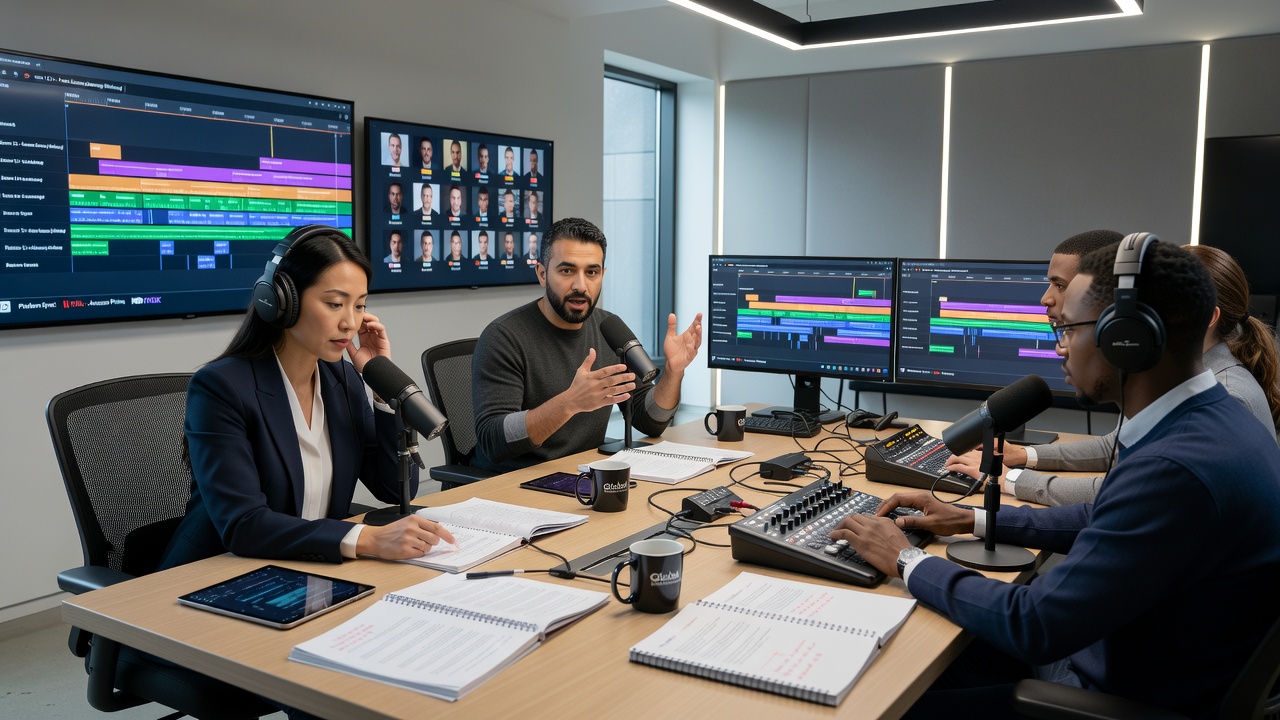 Production teams handling international spy thrillers face intricate demands when multilingual dialogue must land clearly across theatrical releases, streaming services, and broadcast platforms. Dialect coaches work alongside post-production sound specialists to shape accents, intonations, and phrasing so that exchanges between characters from varied linguistic backgrounds retain authenticity while remaining intelligible to global viewers. This coordination begins in pre-production and extends through automated dialogue replacement sessions where recordings get layered, equalized, and balanced for different distribution formats.
Early Integration of Dialect Expertise
Dialect coaches enter projects during script development to map phonetic patterns required for characters who switch between English, Mandarin, Russian, and other languages within single scenes. They provide detailed pronunciation guides that sound teams later reference when cleaning location audio or preparing ADR tracks. In one notable case from a 2025 production, coaches supplied phonetic breakdowns that allowed mixers to preserve subtle tonal shifts during high-stakes negotiation sequences filmed across three continents.
Sound supervisors receive these materials before principal photography wraps, enabling them to plan microphone placements and room tone captures that support later accent refinement. Observers note that early sharing of dialect notes reduces the number of ADR days needed, since actors already deliver lines closer to target specifications on set.
Technical Workflows in Post-Production
Once footage reaches the editing suite, dialect coaches join sound teams for targeted review sessions. They listen to raw takes and flag passages where regional inflections drift or where code-switching between languages creates unnatural pauses. Engineers then apply precise equalization and pitch adjustments while coaches confirm that modifications preserve emotional intent. Data from industry reports shows that collaborative sessions of this type cut revision cycles by an average of 18 percent on large-scale thrillers.
Multilingual sequences often require separate stems for each language track. Post-production teams create these stems using time-aligned ADR recorded under coach supervision, ensuring lip-sync remains consistent when platforms deliver dubbed or subtitled versions. The process accounts for varying frame rates and audio compression standards across regions, from European broadcast specifications to North American streaming codecs.
Platform-Specific Adjustments
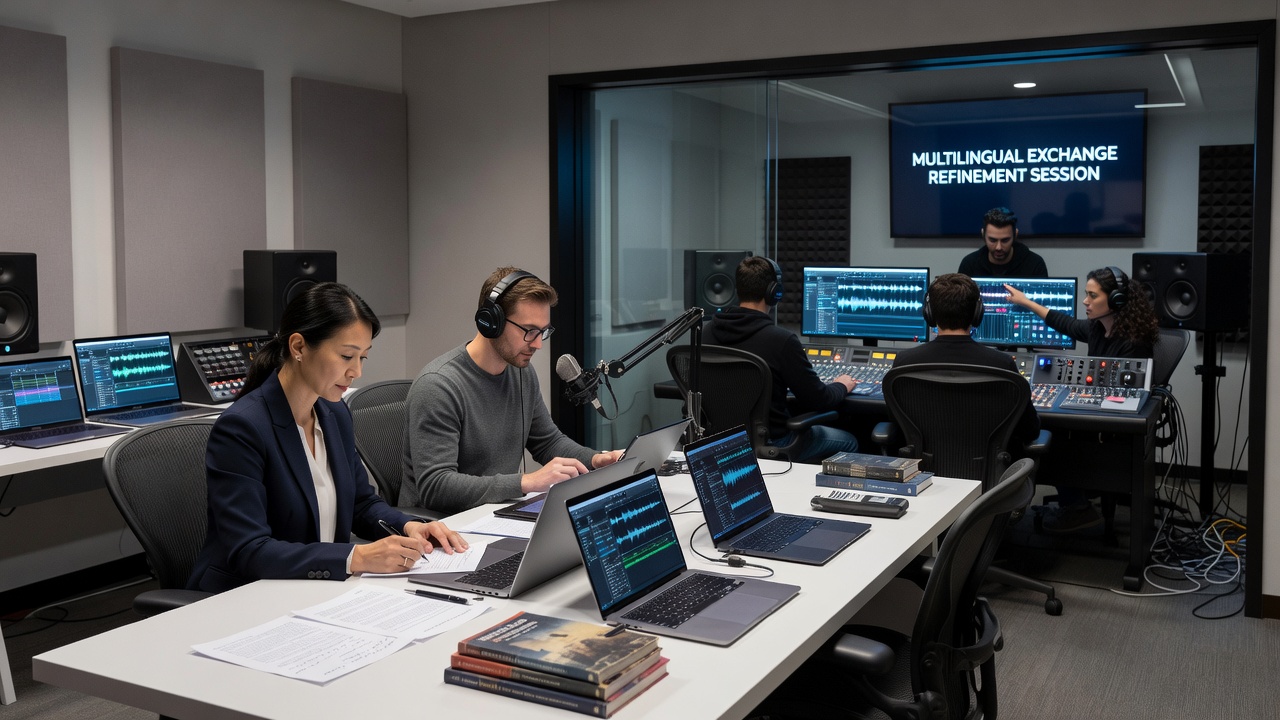
Distribution across multiple platforms introduces further variables. Theatrical mixes emphasize dynamic range and spatial positioning to heighten tension in large auditoriums, whereas streaming versions receive additional compression and loudness normalization to suit home listening environments. Dialect coaches review both versions to verify that accent clarity survives these technical transformations. A 2024 study by the European Audiovisual Observatory documented how accent retention rates improve when coaches participate in final platform checks rather than stopping at the initial mix.
June 2026 marks the scheduled rollout of updated delivery specifications from several international broadcasters that will require enhanced metadata tagging for dialect and language layers. Production companies preparing spy thrillers for that window have already begun testing workflows that embed coach-approved accent profiles directly into audio files, streamlining quality control for simultaneous global releases.
Case Examples from Recent Productions
Teams behind recent ensemble thrillers have demonstrated measurable outcomes from tight coordination. One project adapted from a European novel series used coaches fluent in five languages to guide performers through rapid dialogue shifts during chase sequences. Sound editors then isolated each exchange, applied noise reduction calibrated to the original set recordings, and re-recorded select lines with dialect oversight. The resulting tracks maintained narrative momentum when localized for Asian and Latin American markets.
Another production incorporated real-time feedback loops between coaches and mixers via shared digital platforms. This allowed immediate corrections when an accent that read authentically in one scene clashed with established character traits established earlier in the film. Such iterative refinement appears in multiple titles released through 2025, according to records from the Motion Picture Sound Editors guild.
Training and Resource Development
Industry organizations have responded to these demands by expanding training programs. Workshops hosted by groups such as the Australian Screen Association now include joint modules for dialect specialists and audio engineers, focusing on shared terminology and digital toolsets. Participants practice aligning phonetic charts with spectral analysis displays, building practical skills that transfer directly to multilingual thriller pipelines.
Research from university film programs in Canada indicates that productions investing in cross-departmental training see fewer last-minute revisions during final delivery. These programs emphasize documentation practices that let future teams reference successful accent-sound pairings from prior projects.
Conclusion
Coordinating dialect coaches with post-production sound teams has become a standard practice for international spy thrillers that must travel across platforms. The workflow integrates phonetic guidance, technical audio processing, and platform-specific calibration into a single pipeline that supports both creative accuracy and technical compliance. As delivery requirements evolve in 2026 and beyond, productions continue to refine these collaborative methods to maintain clarity in complex multilingual exchanges.