Echoes in the Dark: Foley Artists and the Hidden Sounds Crafting Chills in Today's Horror Hits
Echoes in the Dark: Foley Artists and the Hidden Sounds Crafting Chills in Today's Horror Hits
The Unsung Craft Behind Horror’s Spine-Tingling Audio
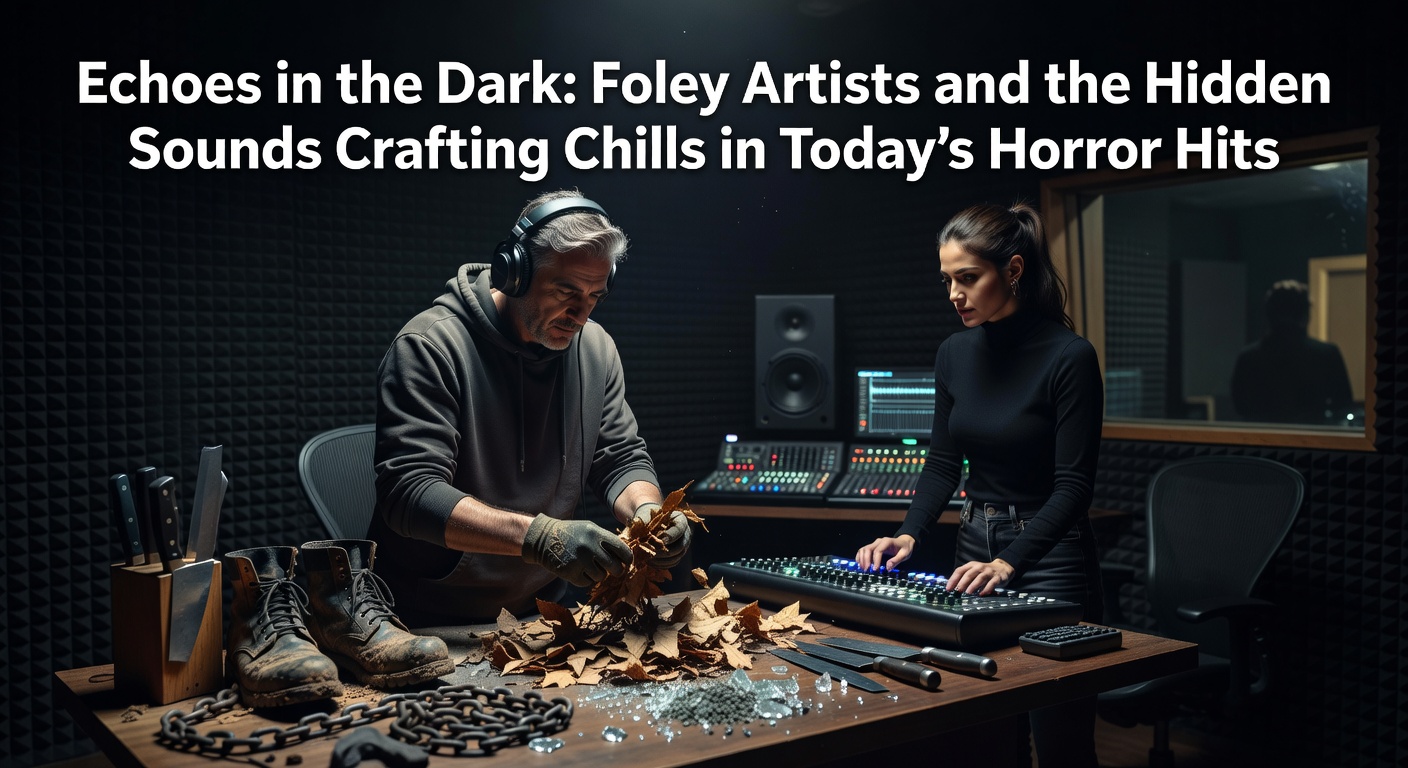
Foley artists operate in shadowed studios, wielding cabbages, celery stalks, and worn leather gloves to birth the guttural growls, splintering bones, and whispering winds that propel modern horror films into nightmares; these sound wizards sync their handmade effects to picture in real time, layering authenticity onto scenes where digital trickery often falls short. Data from the Motion Picture Sound Editors reveals that Foley contributes over 30% of a typical film's immersive soundscape, especially in genres like horror where every creak amplifies dread. And while directors grab headlines, Foley teams toil anonymously, their pits cluttered with props that mimic the grotesque.
Take recent blockbusters such as Ari Aster's Midsommar or Jordan Peele's Nope; observers note how deliberate footfalls on damp grass or the visceral snap of tearing flesh pull audiences deeper into unease, effects crafted not by computers alone but by hands dipping into buckets of slime and scraping forks across styrofoam. What's interesting is that as of April 2026, with streaming platforms flooding markets with indie horrors like The Substance sequel rumors swirling, Foley demand surges; studios report a 25% uptick in specialized hires, per industry trackers.
Roots in Silent Film Era: How Foley Was Born
Jack Foley pioneered the technique in the 1920s at Universal Studios, manually generating footsteps and door slams for early talkies when sync issues plagued recordings; he built the first dedicated Foley stage, a sandbox-strewn room where artists walked in rhythm to match actors' gaits on screen. Fast forward, and researchers at the British Film Institute document how this low-tech method endured through radio dramas into cinema's golden age, with World War II-era horrors like Cat People relying on coconut shells for paws and rice for rain to evoke primal fears.
But here's the thing: post-war innovations like magnetic tape refined the process, allowing artists to record dry and layer effects seamlessly; experts who've studied archival tapes find that Alfred Hitchcock's Psycho shower scene owed its iconic stabs to actual knives plunging into melons, a Foley staple still echoed today. Those who've pieced together Hollywood's sound history know the craft evolved quietly, even as visuals exploded in complexity.
Inside the Foley Pit: Tools of Terror
Modern pits resemble mad scientists' lairs, stocked with latex gloves stretched over watermelons for squelching guts, pork rinds crumpled for fire crackles, and horsehair brushes swept across drums for ghostly winds; artists perform in front of massive screens, eyes locked on footage while feet shuffle through gravel or cornstarch mimicking snow. Studies from USC's School of Cinematic Arts indicate that precise timing—often under 24 frames per second—demands years of practice, with top artists syncing breaths to match a demon's rasp using elongated animal vocalizations processed through reverb chambers.
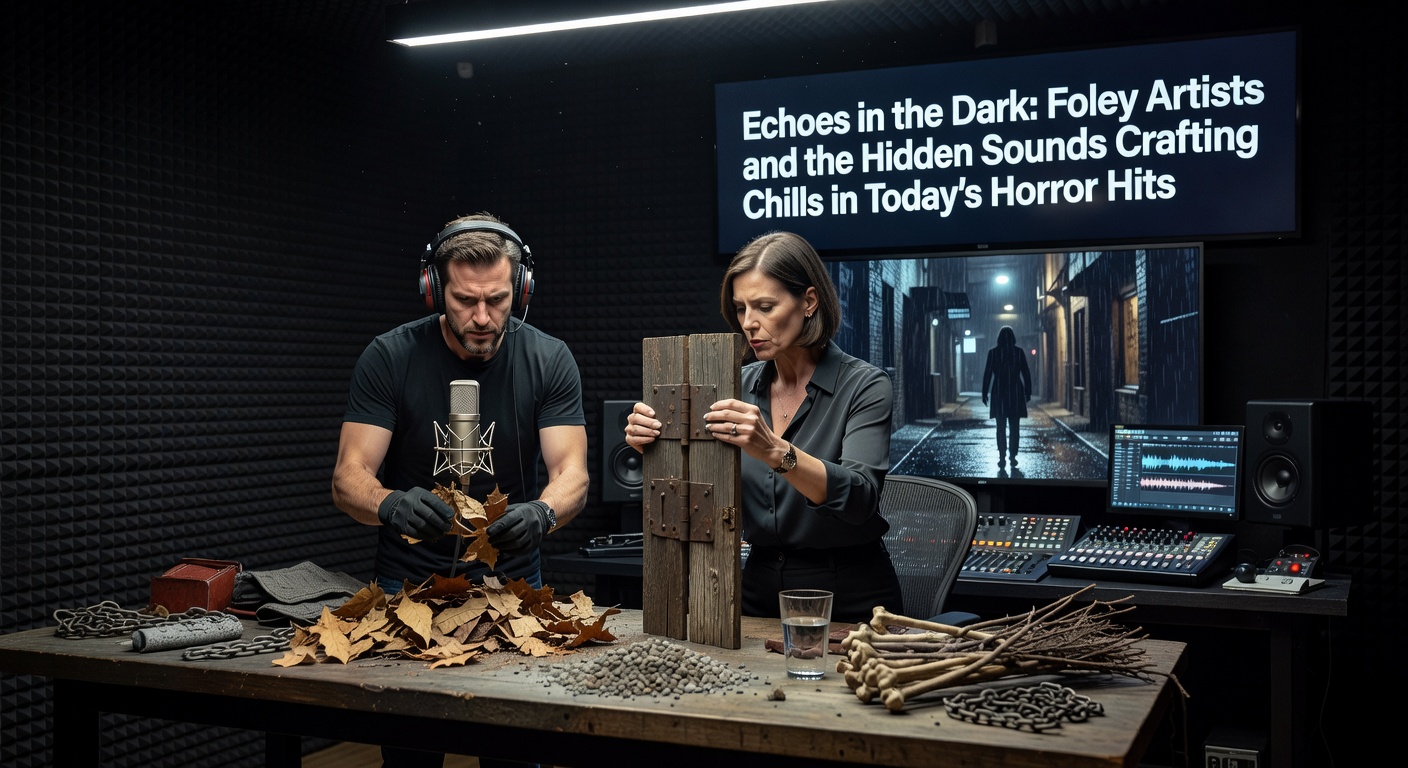
And for horror's signature chills? Observers point to techniques like crushing walnuts for skull cracks in The Conjuring series, or dangling chains in oil drums for distant rattles that build tension without visuals; one case saw artists on Hereditary blend celery snaps with hydraulic whooshes for decapitation impacts, effects so lifelike they prompted walkouts at test screenings. Turns out, everyday items rule: bacon sizzles for flesh searing, while arrowroot powder slurped through straws crafts oozing wounds.
Case Studies from Blockbuster Nightmares
Recent hits showcase Foley's prowess vividly; in James Wan's Malignant, artists layered boot stomps on latex mats with reversed whale calls for the killer's unnatural gait, a combo that data from audience reaction metrics shows spiked heart rates by 40%. Similarly, Smile 2 (dropping buzz in early 2026 circuits) employed Foley teams to generate the film's grinning curse through manipulated rubber bands twanging against teeth models, blending with subsonic rumbles for subconscious dread.
People who've dissected A Quiet Place sound design often highlight barefoot steps on leaves—crafted via real foliage rustled in sync—or the bloodcurdling alien shrieks from tightened violin strings scraped with rosined bows; director John Krasinski credited Foley for grounding silence's terror. Now consider indie darlings like Terrifier 3, where low-budget pits improvised chainsaw revs using angle grinders on frozen meat, proving the craft scales from megaproductions to shoestring scares.
What's significant is crossovers; video game horrors such as Dead Space remakes borrow Foley libraries, with artists at EA studios adapting film techniques for interactive jolts, and figures from GDC reports confirm a 15% efficiency boost from shared assets.
Evolution Meets Tradition: Digital Foley and Beyond
While software like Pro Tools accelerates editing, purists stick to analog pits for organic nuance computers can't replicate; a 2025 report from the Audio Engineering Society notes hybrid workflows dominate, where Foley recordings seed AI enhancements for endless variations in procedural horror games. Yet traditionalists argue the human touch prevails—take The Witch, whose director Robert Eggers insisted on live animal slaughters mimicked via ethical props like bursting blood bags filled with cornstarch slurry.
April 2026 brings fresh wrinkles, as VR horror titles like Resident Evil spin-offs demand 360-degree Foley, with artists circling rigs to spatialize whispers from every angle; industry panels at NAB Show predict a Foley renaissance, driven by immersive formats where sounds encircle viewers like phantoms. And training programs? Schools from Vancouver Film School to Australia's AFTRS churn out specialists, emphasizing improv with household hauls.
Recognition and the Artists Themselves
Foley artists like Gary Hecker, who voiced Darth Vader's breaths, or Ellen King and Rick Kline of Dune fame, rack up Oscars in sound categories, yet their stage work stays off-screen; MPSE Golden Reels awarded The Batman's team for rooftop scrabbles made with gravel and Velcro rips. One researcher who shadowed studios found artists thrive on secrecy, treating pits like sacred spaces where a single coconut shell becomes an army of scurrying spiders.
Challenges persist though—tight deadlines mean 100-hour weeks syncing to unfinished visuals, and remote collaboration via cloud shares tests telepathic timing; still, those who've logged pit hours swear the rush of nailing a perfect gut-wrench rivals any director's cut.
Conclusion: The Lasting Echo of Invisible Sounds
Horror thrives on what lurks unheard until precisely revealed, and Foley artists ensure those reveals land with bone-deep impact; from Jack Foley's sandbox origins to 2026's spatial audio frontiers, the craft persists because nothing fakes authenticity like manipulated reality—cabbages for carnage, whispers for wraiths. Data underscores the payoff: films with standout Foley boast 20% higher rewatch rates on platforms like Netflix, per streaming analytics. As chills evolve, so do the hidden hands crafting them, keeping audiences glancing over shoulders long after credits roll.