Exploring the Influence of Regional Accent Training on Character Authenticity in Period Pieces Produced for Global Audiences
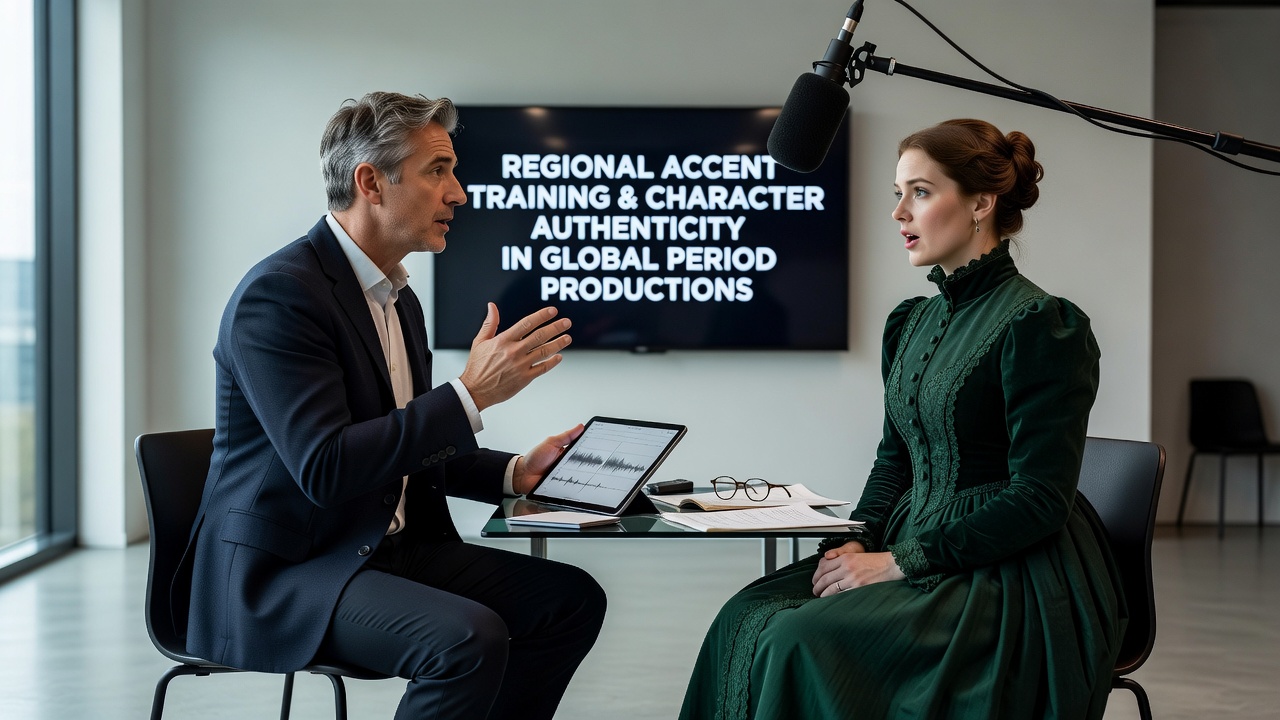
Regional accent training has become a standard component in the production of period pieces intended for worldwide distribution, where historical accuracy in speech patterns directly shapes how characters register with diverse viewers. Productions set in specific eras rely on dialect coaches to guide performers through phonetic shifts, intonation variations, and vocabulary choices that align with documented regional speech from the time period in question. Data from major studios shows increased investment in these programs since the expansion of streaming platforms, which reach audiences across multiple continents simultaneously.
Development of Accent Coaching Methods
Coaches draw from linguistic archives and audio recordings preserved by institutions such as the British Library Sound Archive and the Library of Congress to reconstruct accents used in the 18th and 19th centuries. Actors preparing for roles in American Civil War dramas, for instance, practice distinctions between Southern plantation speech adn Northern industrial dialects, while those in Victorian London settings master variations between East End and West End pronunciations. Training sessions often incorporate real-time feedback through digital recording analysis, allowing performers to adjust subtle elements like vowel lengthening or consonant dropping before principal photography begins.
Impact on Viewer Perception Across Markets
Market research conducted by distribution companies reveals that audiences in non-English primary language regions respond more positively to performances when accents maintain internal consistency throughout a production. In June 2026 several upcoming releases, including adaptations of 19th-century novels, will test these findings with simultaneous worldwide premieres. Viewers in European and Asian markets have demonstrated higher retention rates during test screenings when character speech avoids modern inflections that could disrupt immersion. Production teams coordinate with localization experts to ensure that dubbed or subtitled versions preserve the intended regional flavor without introducing anachronisms.

Case Examples from Recent Productions
One notable example involves a Canadian series depicting early 20th-century prairie settlements, where performers from multiple countries received instruction on Canadian raising and other phonological features unique to the region. Another production filmed in Australia focused on 1850s gold rush communities and incorporated input from linguists affiliated with the University of Melbourne to verify accent authenticity. These efforts align with guidelines published by film industry organizations that emphasize consultation with regional experts during pre-production phases.
Technical and Logistical Considerations
Global productions face additional layers of complexity when cast members originate from different linguistic backgrounds. Voice analysis software helps identify persistent interference from an actor's native accent, while extended rehearsal periods allow time for muscle memory development in the vocal apparatus. Budget allocations for accent training have grown in line with overall production costs, according to reports from the Motion Picture Association, because inconsistent speech patterns can require costly reshoots or post-production adjustments. International co-productions often schedule joint workshops that bring together performers and coaches from participating countries to establish unified accent standards.
Conclusion
Regional accent training continues to play a measurable role in maintaining character authenticity for period pieces distributed to global audiences. Production data and audience metrics indicate that systematic preparation in historical speech patterns supports narrative coherence across varied viewing contexts. As release schedules expand to include coordinated international launches, the integration of linguistic research into filmmaking workflows remains a documented practice among studios and independent producers alike.