How Climate Patterns Are Dictating Shooting Schedules for Epic Outdoor Productions in Remote Locations
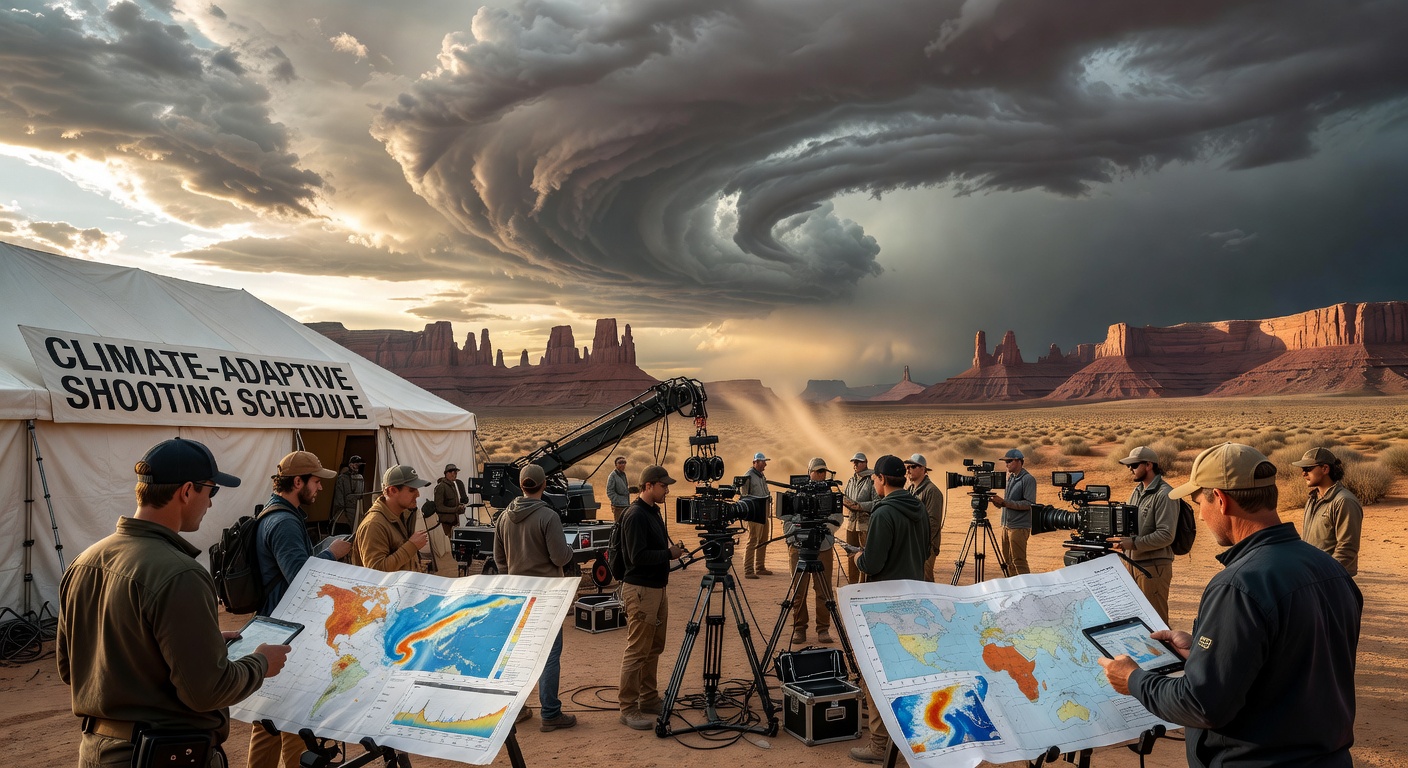
Climate patterns have started reshaping production timelines for large-scale outdoor films that rely on remote and often extreme environments, with shifting weather windows forcing crews to compress or extend schedules in ways that were less common even a decade ago. Data from monitoring agencies show that rising temperatures and altered precipitation cycles are compressing the reliable periods for snow cover, dry riverbeds, and stable ice formations that many epic sequences depend on.
Changing Weather Windows Force Earlier or Later Starts
Productions targeting high-altitude or polar locations now consult updated seasonal forecasts months ahead because traditional summer or winter blocks no longer align with historical norms. In May 2026 several crews preparing sequences in the Canadian Rockies and Patagonian Andes received revised projections indicating earlier snowmelt, which prompted them to move key exterior shoots forward by three to five weeks compared with schedules used in previous years. Observers note that these adjustments allow teams to capture required snow and ice before melt accelerates, yet they also create tighter overlaps with other departments such as set construction and logistics support.
Remote desert shoots face parallel pressures from extended dry spells and sudden flash-flood risks. Crews working in the Australian outback and Namibian dunes have documented shorter gaps between extreme heat events and unexpected rainfall, conditions that can halt equipment movement for days. Research compiled by the World Meteorological Organization indicates that such variability has increased the number of standby days logged by productions in arid zones by roughly twenty percent since 2018.
Case Examples from Recent Large-Scale Projects
One adventure feature shot across multiple glaciers in Iceland and Greenland adjusted its entire second-unit timetable after satellite imagery revealed accelerated calving rates along the planned routes. The production shifted heavy-camera rigs and safety teams to higher elevations earlier in the season, then used the freed later weeks for interior work at a temporary base camp. Similar patterns appear in accounts from crews filming river-rafting sequences in British Columbia, where spring runoff peaks now arrive sooner and subside more rapidly than historical averages would predict.
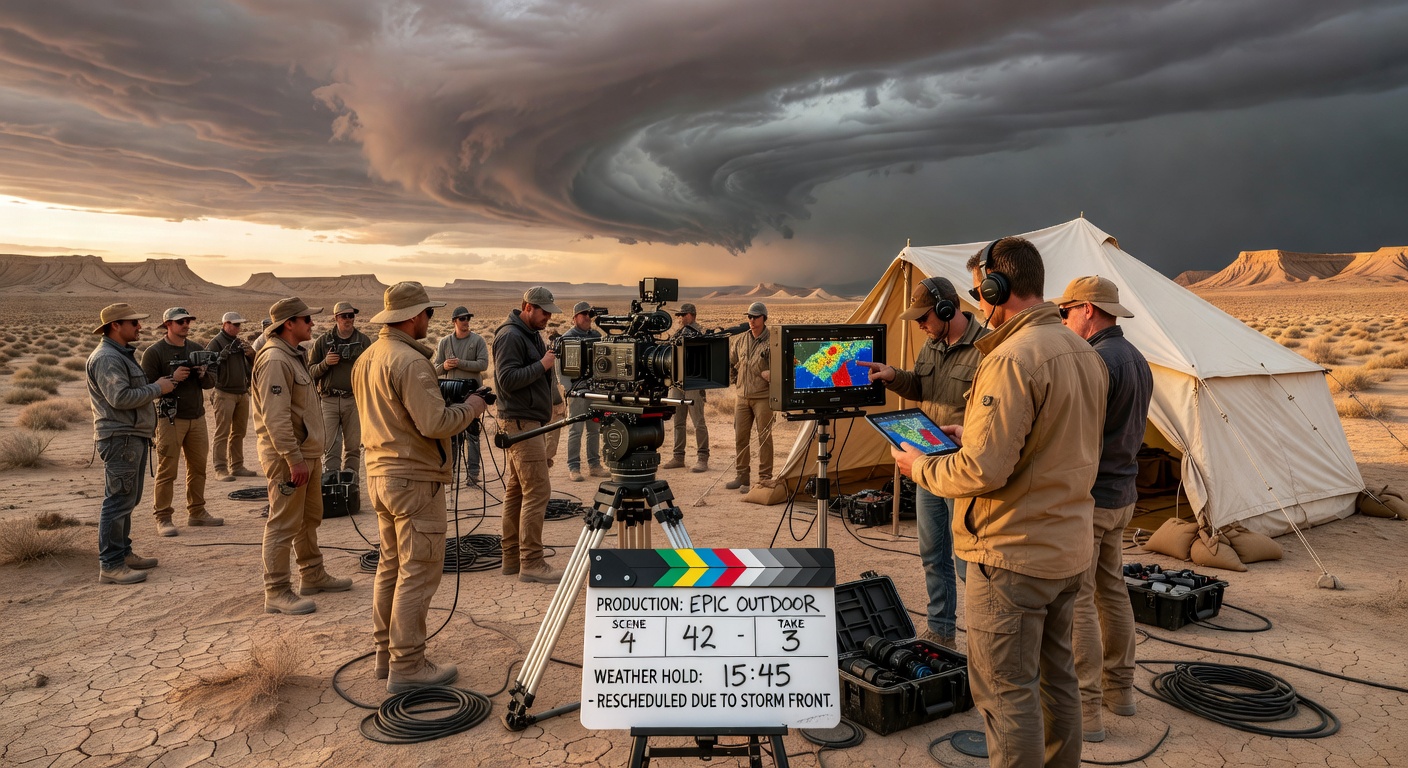
Documentary units covering wildlife migrations in East Africa have likewise reported compressed windows for aerial and ground coverage because vegetation cycles respond more quickly to rainfall anomalies. These shifts require advance booking of aircraft and local guides during narrower calendar slots, which in turn raises coordination demands with national park authorities.
Data Sources and Industry Responses
Long-range climate models released by the National Oceanic and Atmospheric Administration are now routinely integrated into pre-production software that generates multiple schedule scenarios. Producers run these models against location-specific variables such as river levels, avalanche probability, and wildfire indices to identify the safest overlap periods for principal photography. Insurance underwriters have begun requesting these climate-adjusted calendars as part of risk-assessment packages, which adds another layer of verification before green-light decisions.
Industry organizations including the International Association of Film Commissioners have started hosting workshops that pair meteorologists with location managers so that contingency plans reflect current data rather than legacy assumptions. These sessions cover topics such as modular set designs that can be relocated quickly and the use of modular lighting systems that function across wider temperature ranges.
Logistical Ripple Effects Across Departments
Transportation coordinators now build buffer days into shipping manifests because altered freeze-thaw cycles can close mountain passes or remote airstrips without much warning. Catering and medical teams adjust supply rotations to account for higher spoilage rates during prolonged heat waves that were once rare at elevation. Even post-production pipelines feel indirect effects when delayed footage arrives later than expected, pushing color-timing and visual-effects teams into compressed final stages.
Yet many productions still complete principal photography on time by front-loading weather-dependent sequences and treating indoor or controlled-environment work as flexible padding. The approach relies on precise daily briefings that incorporate real-time readings from on-site weather stations and regional forecast centers.
Conclusion
Climate-driven schedule adjustments have become a standard line item in planning documents for epic outdoor films shot in remote settings. Agencies tracking global temperature and precipitation trends continue to supply the raw data that location departments translate into workable calendars, while crews refine their ability to pivot between scenes as conditions evolve. The result is a production environment where advance climate intelligence and flexible sequencing now sit alongside traditional creative and budgetary considerations.