How Fan Communities Are Reshaping Marketing Strategies for Genre Streaming Originals
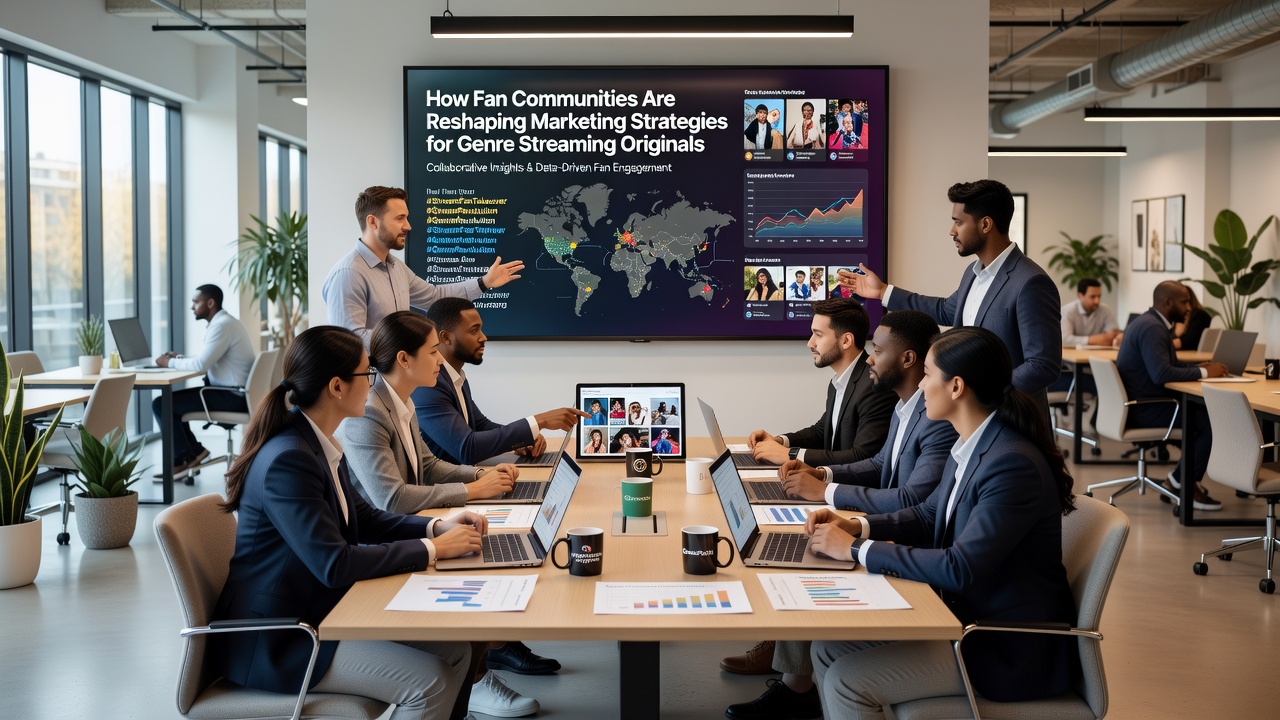
Genre streaming originals in science fiction, fantasy, and horror categories now draw significant portions of their promotional reach from organized fan networks rather than traditional advertising buys alone, and data from multiple tracking services shows these groups influence everything from teaser release timing to narrative extensions in follow-up seasons. Studios track subreddit activity, Discord server metrics, and TikTok remix volumes to identify which plot threads generate the strongest organic spread, then adjust campaign spend accordingly. In July 2026, several major platforms reported that titles with active fan theory hubs saw pre-release search interest climb 40 percent above baseline projections during the same period.
From Passive Viewers to Active Campaign Participants
Platforms such as Netflix and Amazon Prime Video maintain dedicated community liaison teams that monitor live conversations across platforms, and those teams feed real-time sentiment data into marketing calendars so that trailer cuts and key art can shift within days of a viral theory gaining traction. One production for a space opera series released concept art directly into a moderated fan forum in early 2025, and the resulting user-generated variants accounted for more than 2.3 million additional impressions tracked by third-party analytics firms. Researchers at the University of Southern California Annenberg Inclusion Initiative documented similar patterns across twelve genre titles, noting that campaigns incorporating fan-created assets reduced paid media costs by measurable margins while increasing completion rates on social clips.
Case Examples from Recent Releases
Take the 2025 launch of a cyberpunk anthology series whose producers seeded encrypted puzzle files into fan Discords three weeks before the official trailer, and participation metrics later showed 180,000 unique solvers who then shared solutions across other networks. Marketing leads at the streamer used those engagement spikes to time the next wave of cast interviews and behind-the-scenes drops, creating a feedback loop that extended the campaign window by six weeks without additional budget allocation. Another horror limited series in the same year partnered with a popular cosplay collective to produce official tutorial videos, and the resulting user uploads drove a 27 percent lift in trailer views on YouTube according to platform-provided data.
Data Integration and Platform Adjustments
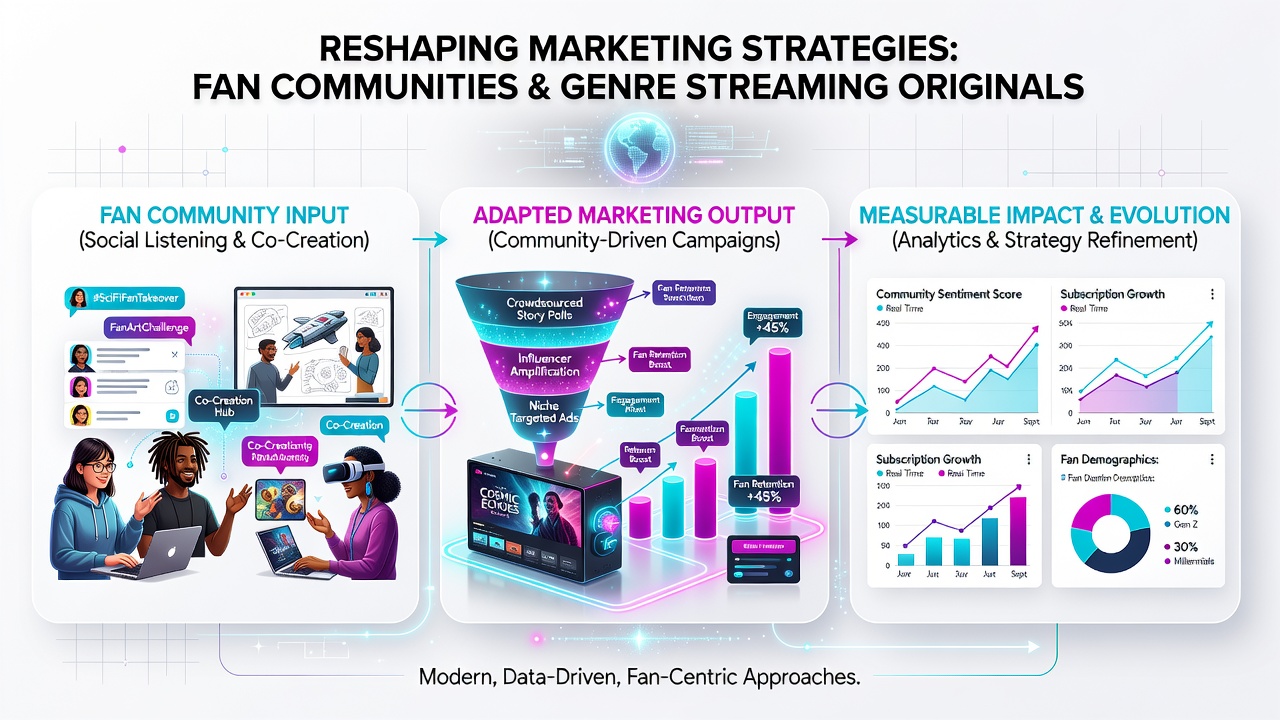
Streaming services now embed fan sentiment APIs into their internal dashboards, allowing campaign managers to correlate spikes in specific hashtags with regional viewership lifts reported by Nielsen and similar measurement partners. European Audiovisual Observatory figures from 2025 indicate that genre originals incorporating community feedback loops achieved higher week-two retention numbers compared with titles relying solely on paid acquisition. Teams also route select fan art into official merchandise drops, and those collaborations generate royalty streams that occasionally offset part of the original marketing outlay. Observers note that such tactics require clear usage guidelines to avoid intellectual property conflicts, yet the practice continues to expand because measurable returns appear in quarterly performance reports.
Geographic and Demographic Reach
Fan communities operate across time zones, and marketing groups have begun scheduling teaser drops to align with peak activity windows identified through server analytics rather than domestic prime-time assumptions. Data from the Australian Communications and Media Authority shows that Asia-Pacific fan accounts contributed disproportionately high shares of English-language remix content for several 2026 fantasy releases, prompting some campaigns to add localized subtitles to fan-facing materials. Demographic breakdowns further reveal that viewers aged 18-34 dominate both creation and amplification roles, while older cohorts participate more through commentary and archival discussion threads.
Conclusion
Streaming services continue to refine their approaches as fan-driven signals become embedded in standard campaign planning cycles, and industry reports from multiple regions document measurable shifts in budget allocation and content sequencing. These adaptations rely on sustained data collection and clear operational boundaries, yet the underlying pattern of audience participation influencing promotional architecture shows no sign of reversal based on current tracking metrics.