How International Drone Regulations Shape High-Speed Pursuit Scenes in Action Films
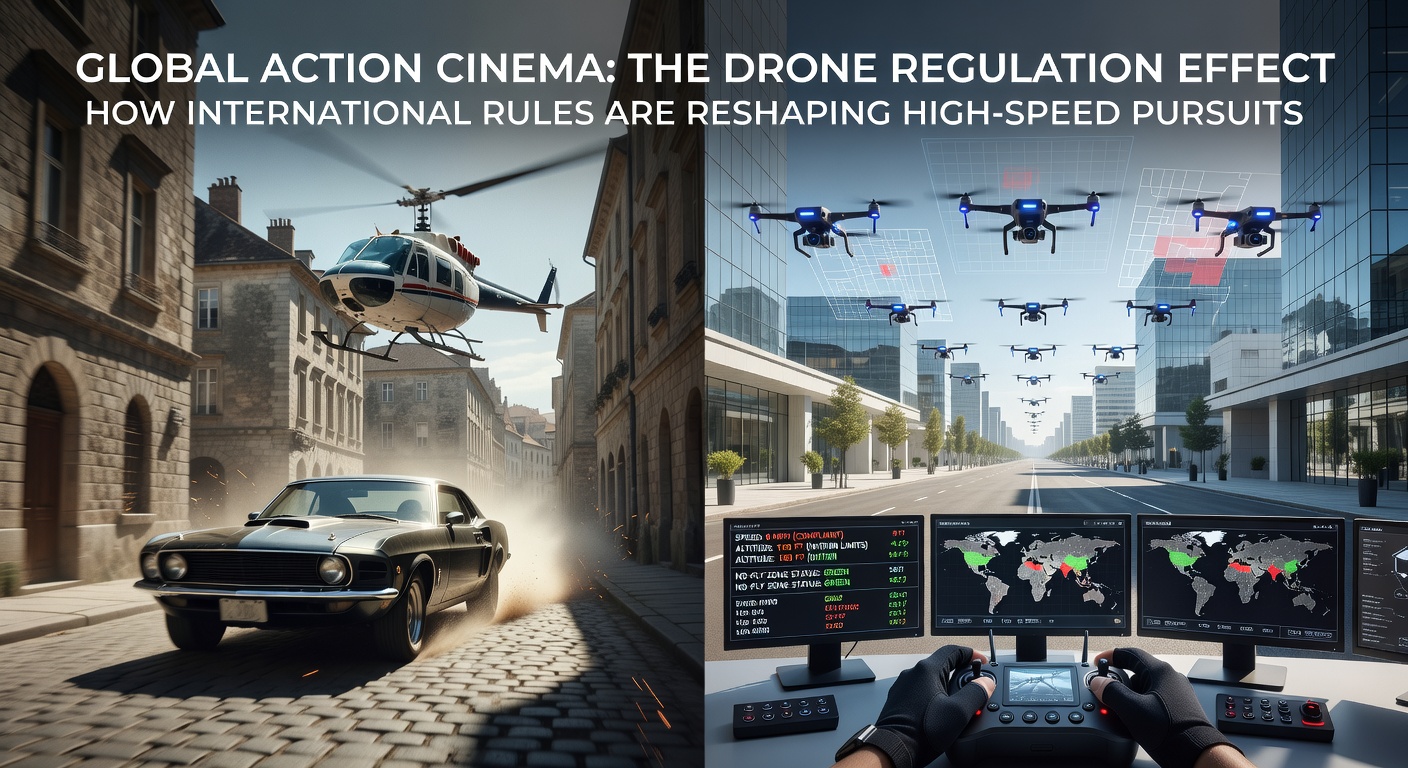
Action cinema has long relied on dynamic aerial perspectives to heighten tension during chase sequences, yet evolving drone regulations in multiple jurisdictions now compel production teams to recalibrate their approaches to filming these moments. Data from industry reports indicates that restrictions on unmanned aerial systems have prompted shifts toward hybrid techniques combining practical captures with digital enhancements, particularly as filmmakers navigate varying legal landscapes in the United States, European Union member states, and Asia-Pacific regions.
The Evolution of Aerial Capture Techniques
Observers note that drone technology entered mainstream action productions around the early 2010s, enabling fluid tracking shots that traditional helicopter rigs could not achieve at lower altitudes or in confined spaces, while regulations began tightening as authorities addressed safety concerns around populated areas and aviation traffic. Research from film technology analyses shows that by 2024, over 60 percent of major studio action titles incorporated drone footage in pursuit scenes, though compliance requirements often extended pre-production timelines by weeks or months depending on the filming location.
Regional Regulatory Differences and Their Effects
Rules differ sharply across borders, with the Federal Aviation Administration in the United States enforcing remote identification mandates and no-fly zones near airports or events that directly limit drone deployment during urban chase sequences, whereas the European Union Aviation Safety Agency imposes stricter operator certification and risk-assessment protocols that influence how European co-productions stage vehicle pursuits. One studio production team discovered that securing permits in multiple EU countries required separate applications for each jurisdiction, leading crews to consolidate aerial work into fewer controlled environments or rely on ground-based camera arrays supplemented by post-production stitching. In contrast, regulations in parts of Southeast Asia permit higher operational flexibility in rural zones, prompting some international teams to relocate chase filming to those areas when script demands continuous high-speed coverage.
Production Adjustments in Practice
Filmmakers have responded by integrating virtual production stages and motion-controlled rigs that simulate drone paths without physical aircraft, a method that gained traction after updated guidelines took effect in several markets. According to the Federal Aviation Administration, operators must maintain visual line of sight unless waivers are granted, which restricts the sweeping overhead angles once common in sequences set in dense cityscapes and pushes creative departments toward CGI augmentation for impossible maneuvers. Production schedules in May 2026 are expected to reflect further harmonization efforts between North American and European authorities, as preliminary agreements aim to standardize certain cross-border permitting processes for temporary film operations.
Case Studies from Recent Global Releases
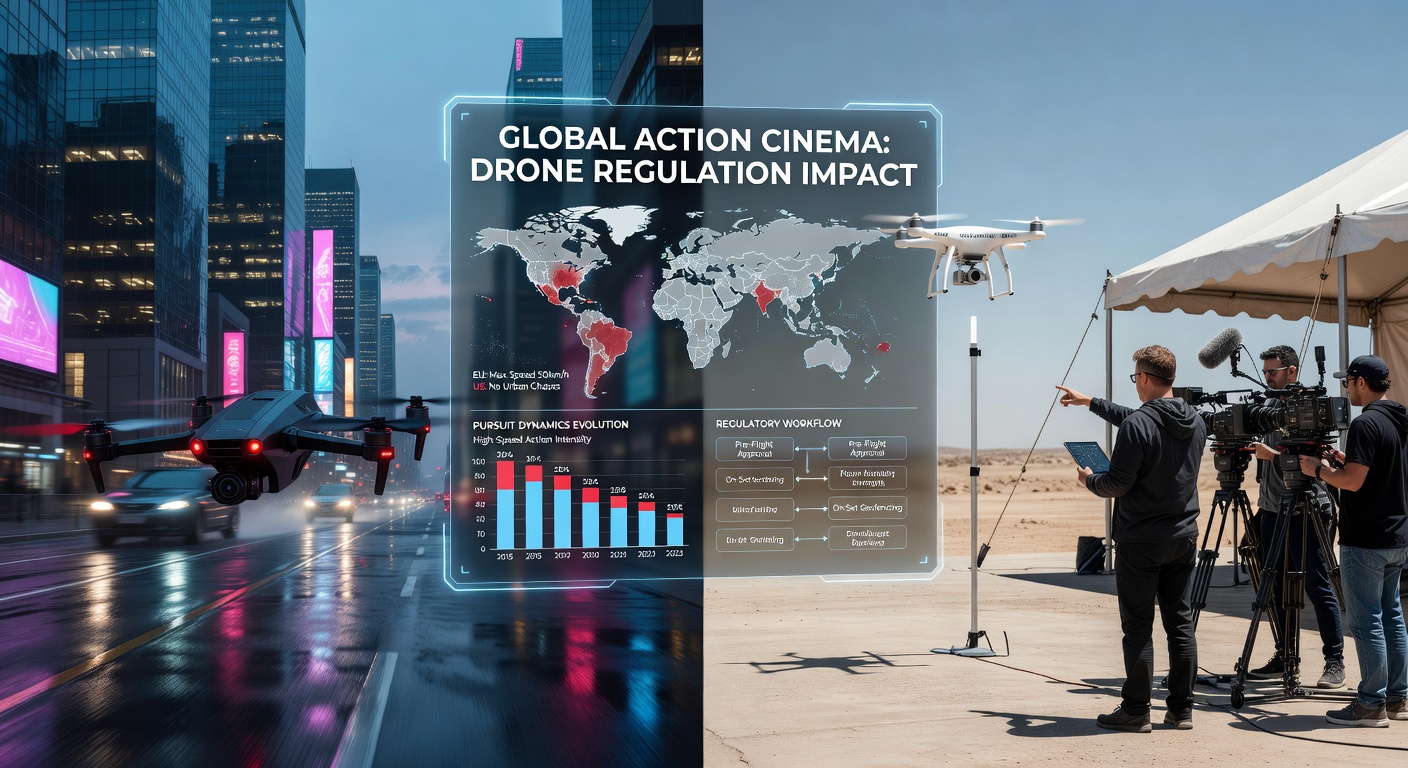
There's this case where experts found that a major Hollywood franchise adjusted its third-act pursuit by moving primary aerial photography to a purpose-built desert facility after local airspace restrictions blocked repeated low-altitude passes over a metropolitan area, resulting in a blend of practical vehicle stunts and digitally extended backgrounds. Observers note similar patterns in Asian action cinema, where productions in Japan and South Korea adapted to civil aviation rules by using tethered camera systems for interior tunnel chases that drones could not legally enter. Data indicates these modifications rarely alter narrative outcomes yet increase reliance on visual effects houses to maintain the kinetic energy audiences expect from the genre.
Industry-Wide Trends and Future Outlook
Trade analyses reveal that insurance premiums for drone-equipped shoots have risen in regulated zones, encouraging studios to budget for contingency planning that includes alternative capture methods from the outset. What's interesting is how smaller independent action projects often bypass these hurdles by filming in jurisdictions with lighter oversight, though distribution deals sometimes require additional clearances when footage crosses into markets with stricter import standards on media produced under different aviation rules. EASA documentation highlights ongoing consultations with entertainment industry representatives to refine operational categories that could streamline future approvals for scripted aerial work.
Conclusion
International drone regulations continue to reshape the technical execution of high-speed pursuit scenes by imposing location-specific constraints that favor hybrid workflows and strategic relocation, while data from regulatory bodies shows no slowdown in the overall volume of action content produced globally. Productions adapt through expanded pre-visualization, cross-trained crews, and selective use of permitted airspace, ensuring that chase sequences retain their visual impact even as operational parameters evolve.