Mapping the Supply Chain Challenges Facing Prop Masters Sourcing Period-Accurate Artifacts for Victorian-Era Mystery Adaptations
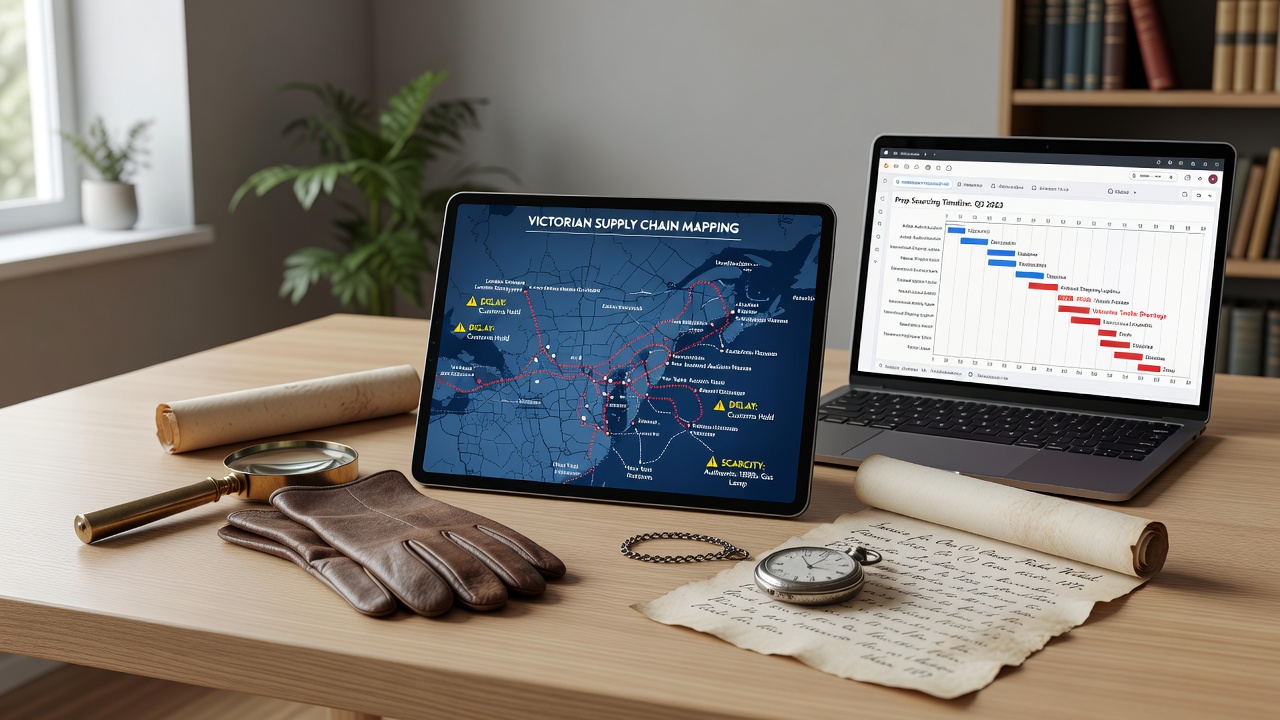
Prop masters working on Victorian-era mystery adaptations encounter layered supply chain obstacles when they pursue authentic artifacts rather than relying solely on replicas, and these hurdles span sourcing networks, authentication processes, international transit, and evolving regulatory frameworks that affect everything from pocket watches to period correspondence.
Tracing Primary Acquisition Channels
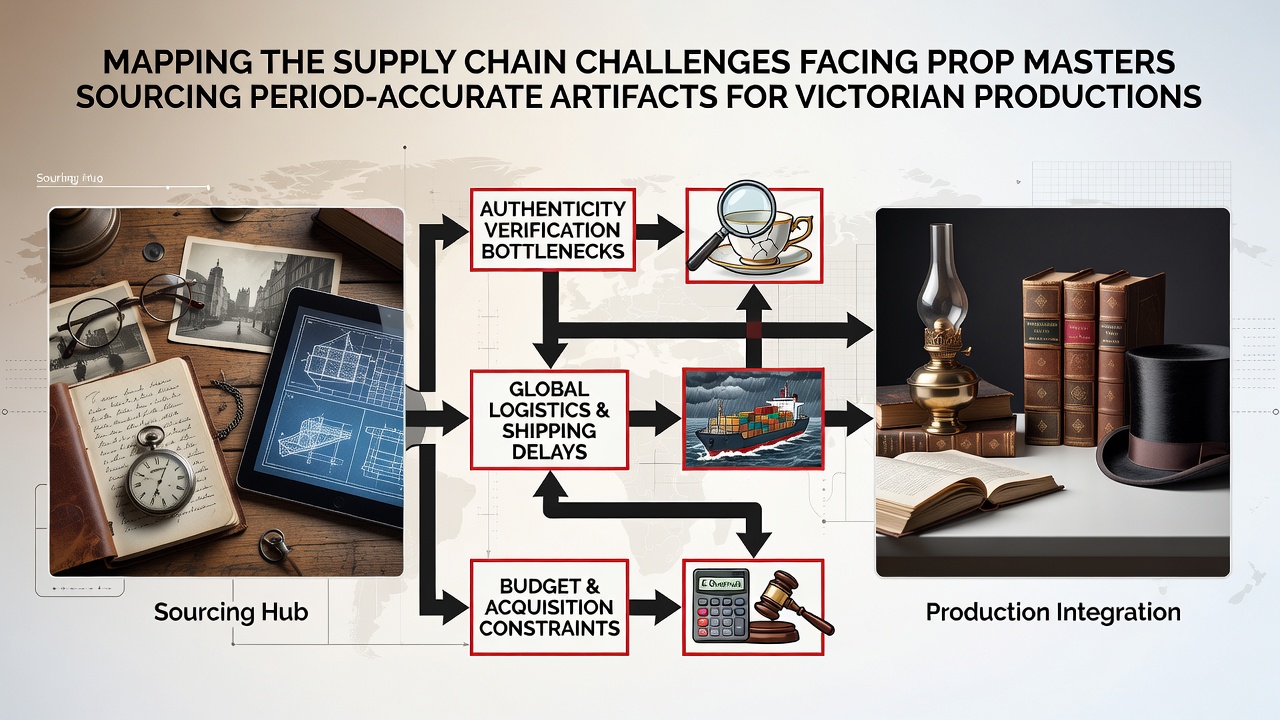
Production teams often begin their searches through established auction houses and specialized antique dealers across Europe and North America, yet availability fluctuates because many genuine items from the 1837-1901 period remain locked in private estates or institutional collections that release pieces only sporadically. Researchers note that when a major estate sale occurs, multiple adaptation projects compete simultaneously for the same limited stock of gas lamps, calling cards, and medical instruments, driving prices upward adn compressing timelines for verification.
Some crews turn to museum deaccession programs or temporary loans, while others monitor online platforms that connect private sellers with film professionals, and data from trade registries shows these digital marketplaces have expanded since 2022 but still require rigorous provenance checks to satisfy insurers and directors. One production handling an adaptation of a Wilkie Collins novel secured a set of original ledger books through a dealer in Edinburgh after months of negotiation, illustrating how relationships with regional specialists become essential when standard commercial routes fall short.
Authentication and Documentation Pressures
Once candidates surface, prop departments must verify age and origin through expert appraisal, material testing, and historical record matching, and this step introduces delays because laboratories capable of non-destructive analysis operate at capacity during peak production seasons. Authentication reports typically accompany each major piece, yet discrepancies in paperwork can stall shipments for weeks while customs officials request additional clarification.
Those who manage Victorian mystery projects report that minor inconsistencies, such as an engraving date that conflicts with known manufacturing records, force rapid pivots to secondary items or custom fabrication. Studies from heritage organizations indicate that provenance gaps have grown more common as family-held collections disperse without complete transfer documentation, compelling prop teams to invest extra hours cross-referencing auction catalogs and estate inventories before committing funds.
International Logistics and Fragility Concerns
Transporting delicate objects such as porcelain inkwells, silk fans, and leather-bound volumes across borders requires specialized crating, climate control, and insurance riders that exceed standard film equipment coverage, and carriers familiar with cultural artifacts remain limited in certain corridors. When shipments originate in the United Kingdom or France and head toward North American soundstages, routing decisions must account for seasonal weather patterns that could expose cargo to temperature swings capable of cracking aged materials.
Coordinators track each consignment through bonded freight forwarders, and recent figures from industry logistics reports reveal average transit times stretching to 18 days when documentation reviews occur at multiple checkpoints. A Canadian production preparing a Sherlock Holmes series in early 2025 rerouted a consignment of brass scientific instruments through a secondary European hub after initial customs holds, demonstrating how contingency planning has become routine rather than exceptional.
Regulatory Shifts and Ethical Sourcing Requirements
Government agencies in multiple jurisdictions continue to refine rules governing the movement of cultural property, and prop masters must stay current with import declarations that now often demand digital certificates of origin alongside physical paperwork. Australia's cultural heritage protection guidelines, for instance, require pre-approval for certain categories of decorative arts when they leave the country, while similar frameworks in the European Union emphasize documented chains of custody to prevent illicit trade.
Observers note that new compliance procedures scheduled for rollout in June 2026 will expand digital tracking mandates for items over 100 years old, prompting several adaptation productions to accelerate acquisitions ahead of the deadline. Ethical considerations also surface when artifacts carry colonial-era associations, leading some studios to consult with source-community representatives before finalizing purchases or to substitute replicas for contested pieces.
Market Dynamics and Future Outlook
Demand for Victorian-era props has risen alongside streaming platforms commissioning multiple mystery series simultaneously, and this concentration strains the finite pool of available artifacts while increasing competition from private collectors and museum acquisition departments. Trade associations tracking the antiques sector report steady price appreciation for functional items such as writing desks and gas mantles, which forces budget reallocations toward fabrication workshops equipped to produce historically accurate stand-ins.
Teams that combine selective authentic purchases with high-fidelity reproductions manage to maintain visual continuity without exhausting supply lines, and several recent adaptations have adopted hybrid approaches where background pieces remain genuine while hero props undergo controlled replication. These strategies reflect ongoing adaptation within the supply chain itself as productions balance authenticity goals against practical constraints.
Conclusion
Supply chain mapping for Victorian-era mystery adaptations reveals an interconnected system where sourcing, verification, transit, and compliance intersect at every stage, and continued success depends on early coordination with dealers, regulators, and logistics specialists who understand the specific vulnerabilities of period artifacts. As regulatory updates approach in June 2026 and market pressures persist, production teams that maintain flexible networks and thorough documentation practices position themselves to secure necessary items while respecting legal and ethical boundaries.