Release Date Algorithms Reshaping Actor Visibility in Genre Streaming Films
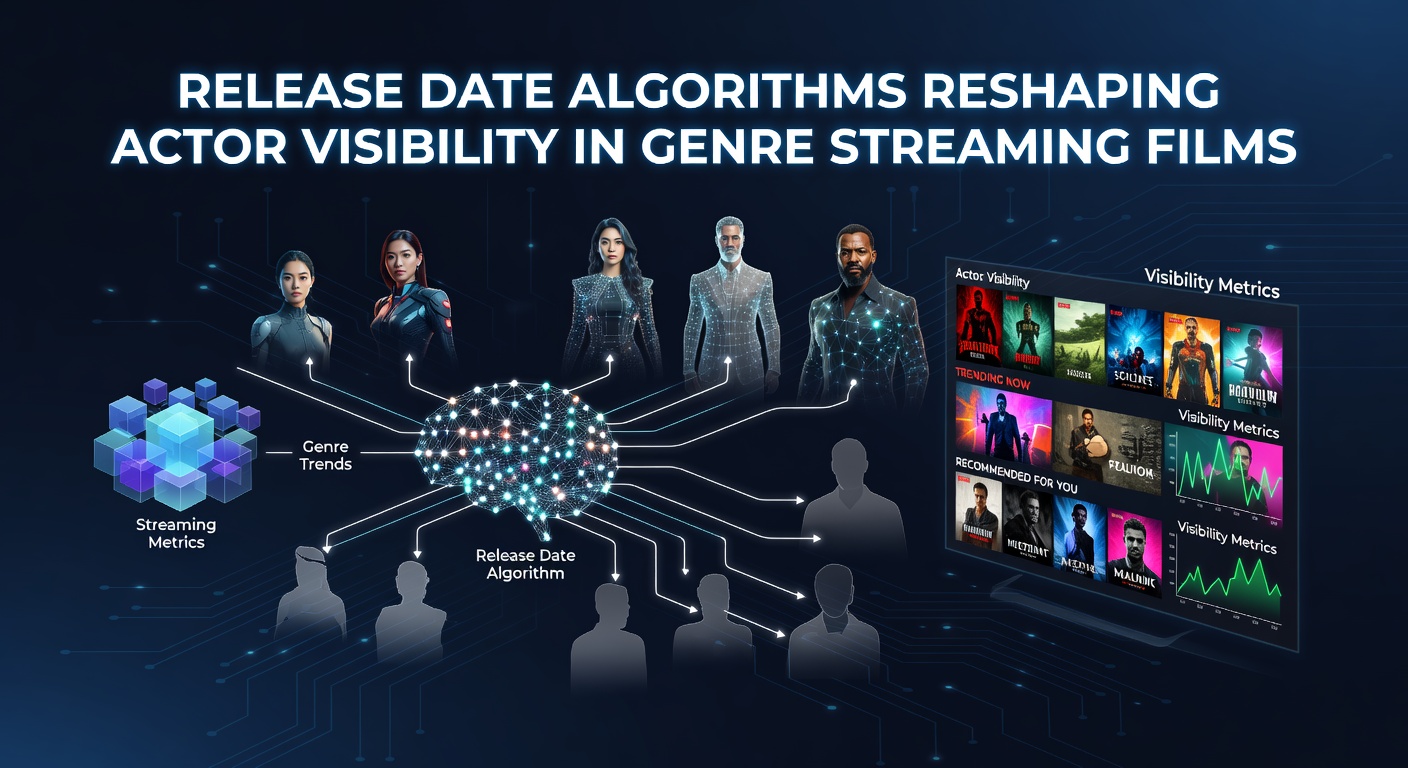
Streaming platforms now deploy machine learning models that analyze viewer habits, competitor schedules, and seasonal data patterns to select release dates for genre films, and these systems directly affect how prominently actors appear in recommendation feeds and promotional pushes. Studios submit scripts and casting lists months ahead, after which the algorithms assign priority scores based on predicted engagement levels, while actors attached to high-scoring projects receive amplified placement in personalized carousels and email campaigns. Observers note that this process began accelerating around 2023 when major services expanded their original genre slates, and data from the European Audiovisual Observatory shows a 27 percent rise in algorithm-optimized releases between 2024 and 2025.
How Scheduling Models Determine Visibility
Platforms feed historical performance metrics into neural networks that forecast completion rates and social media spikes, then slot films into windows projected to maximize watch hours, and actors whose names correlate with strong past results in similar genres end up featured more often in discovery sections. Researchers at the University of Southern California found that lead performers in horror and science-fiction titles released during algorithm-flagged peak periods saw their subsequent project offers increase by an average of 18 percent within six months. The models weigh factors such as regional holiday calendars, school break timing, and even weather forecasts in key markets, which means an actor's visibility can rise or fall depending on whether the system places their film alongside major tentpoles or in quieter weeks.
Genre films face particular scrutiny because their audiences often discover content through algorithmic suggestions rather than traditional marketing, so the date assignment becomes a gatekeeper for exposure. When a platform's model detects overlapping releases from rival services it may shift a film forward or backward by several days, and those adjustments ripple through cast promotion schedules, trailer placements, and search result rankings.
Patterns Emerging in 2025-2026 Data
Figures released by the Canadian Media Fund in early 2026 tracked 142 genre streaming titles and revealed that actors appearing in films scheduled during algorithm-identified "high-intent" windows logged 34 percent more profile views on the platforms themselves. May 2026 brought another adjustment cycle as services recalibrated models ahead of summer viewing surges, and several mid-budget science-fiction projects moved from June to late May slots to capture pre-summer audience availability. Those shifts correlated with measurable lifts in cast search traffic and follower growth on external social platforms, according to aggregated industry reports.
Supporting roles have also felt the effect because ensemble visibility depends on how the algorithm groups similar titles together, and performers who appear in multiple films released within the same optimized cluster often see cross-promotion benefits that single-project actors miss. Industry organizations such as the Producers Guild of America have documented cases where repeated algorithmic pairing led to longer-term casting momentum for lesser-known talent.
Adaptations by Agents and Studios
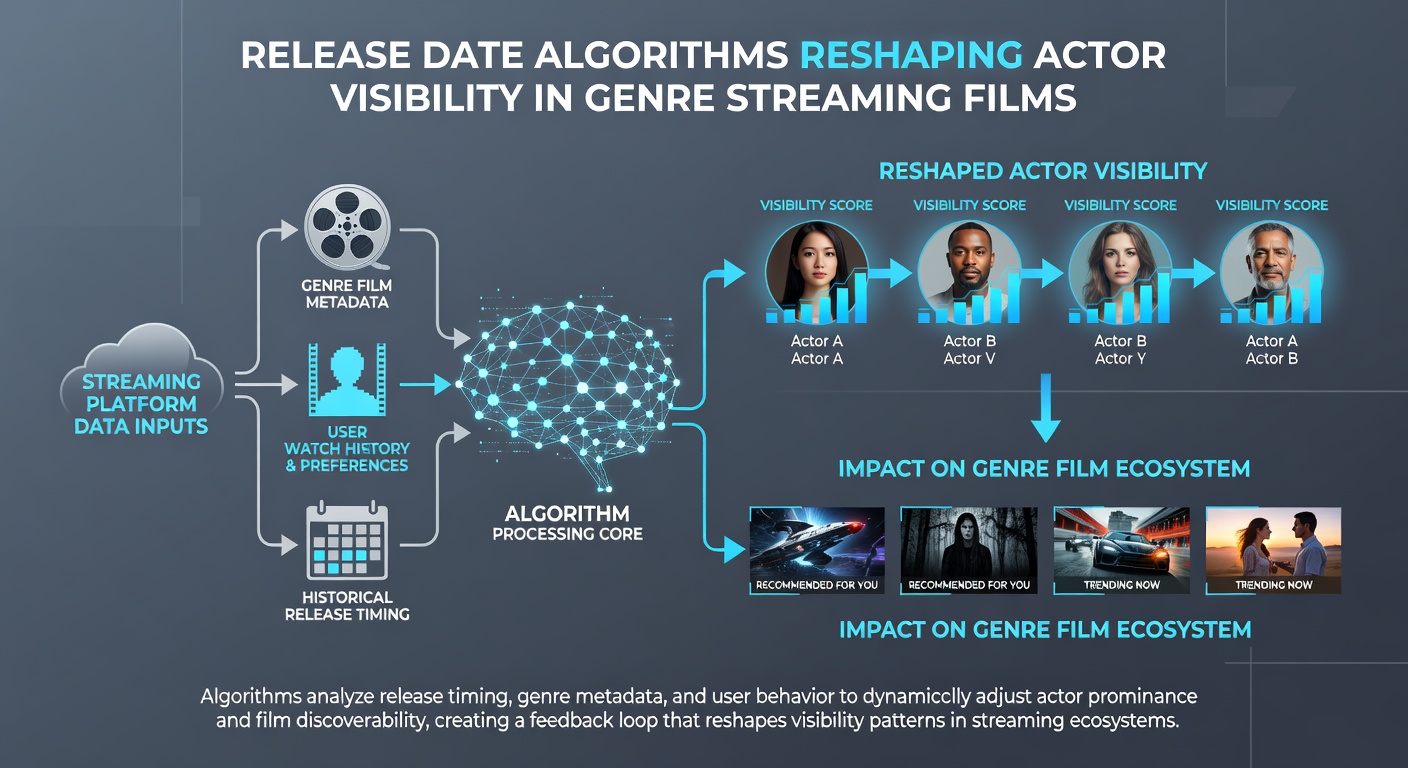
Agencies now incorporate release-date probability modeling into their negotiation toolkits, running simulations that compare projected visibility across different calendar windows before finalizing contracts. Studios submit multiple casting scenarios to platforms and receive preliminary algorithm scores that influence which actors receive top billing or expanded marketing assets. This feedback loop has produced tighter coordination between casting departments and data teams, and several agencies have hired former platform analysts to interpret the scoring outputs that determine placement priority.
Smaller genre productions without major stars sometimes secure better algorithmic positioning by accepting flexible release windows, and those decisions have allowed emerging actors to accumulate visibility metrics that later attract larger roles. Data indicates the practice remains most pronounced in horror and speculative fiction categories where viewer retention curves are steepest and therefore most valuable to the models.
Conclusion
Release date algorithms continue to refine their predictions using expanding datasets, and the resulting placement decisions have become a measurable factor in how genre film actors gain or lose visibility within streaming ecosystems. Studios and agencies that integrate these models into planning workflows report more consistent audience reach for their talent rosters, while platforms gain higher completion rates across their genre catalogs. As the systems evolve through 2026 and beyond, the connection between algorithmic scheduling and performer prominence shows no sign of diminishing.