Virtual Production Stages Reshaping Lighting Design in Modern Science Fiction Narratives
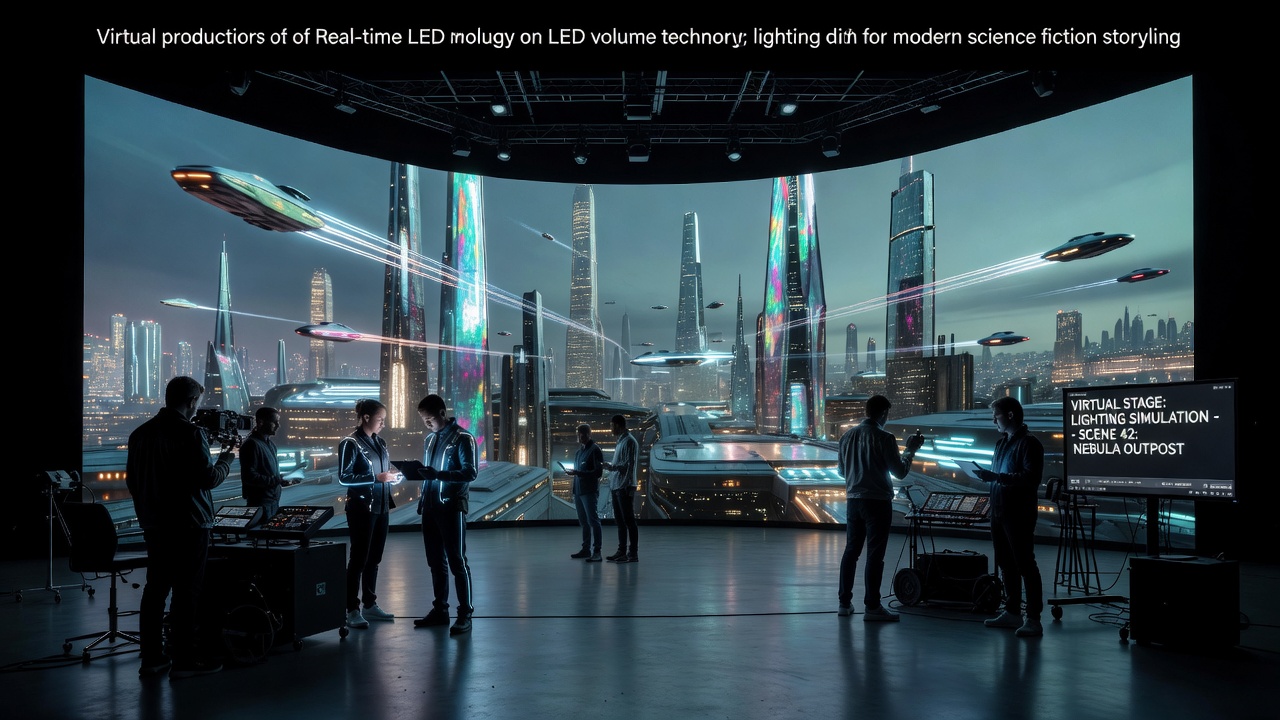
Virtual production stages combine large LED walls with real-time rendering engines, and this integration shifts how lighting designers approach science fiction projects from initial concept through final capture. Teams now adjust light temperatures and intensities on set while cameras roll, whereas traditional methods required separate post-production passes for similar effects. Data from industry reports shows increased adoption across major studios since 2023, with several high-profile series relying on these stages for consistent environmental lighting that matches foreground action.
Core Technologies Driving the Shift
LED volumes display dynamic backgrounds that emit light matching scene requirements, so gaffers coordinate physical fixtures with digital sources through unified control systems. Researchers at technical institutes note that real-time synchronization reduces mismatches between practical lights and rendered environments, while software platforms handle color temperature calculations automatically based on camera positions. Observers note this setup allows quick iterations during shoots, and crews often test multiple lighting scenarios in a single day compared to weeks under older workflows.
Game engines feed data directly into lighting consoles, and this connection creates opportunities for interactive adjustments where actor movements trigger subtle changes in virtual light sources. Studies from European research centers indicate that such systems maintain continuity across extended sequences, whereas manual relighting in post once demanded extensive resources. Production logs reveal that virtual stages cut lighting setup times by measurable margins on science fiction sets that feature complex alien worlds or futuristic interiors.
Practical Changes in Lighting Workflows
Lighting teams now plan around pixel-mapped walls that serve as both backdrop and active light source, and this dual role demands new collaboration between cinematographers and technical directors. Data shows that previsualization sessions incorporate lighting data earlier in prep, which minimizes on-set surprises when environments shift from day to night cycles within scenes. Those who've studied adoption patterns observe that designers spend more time calibrating LED output to match practical lamps, ensuring shadows and highlights align without additional compositing layers.
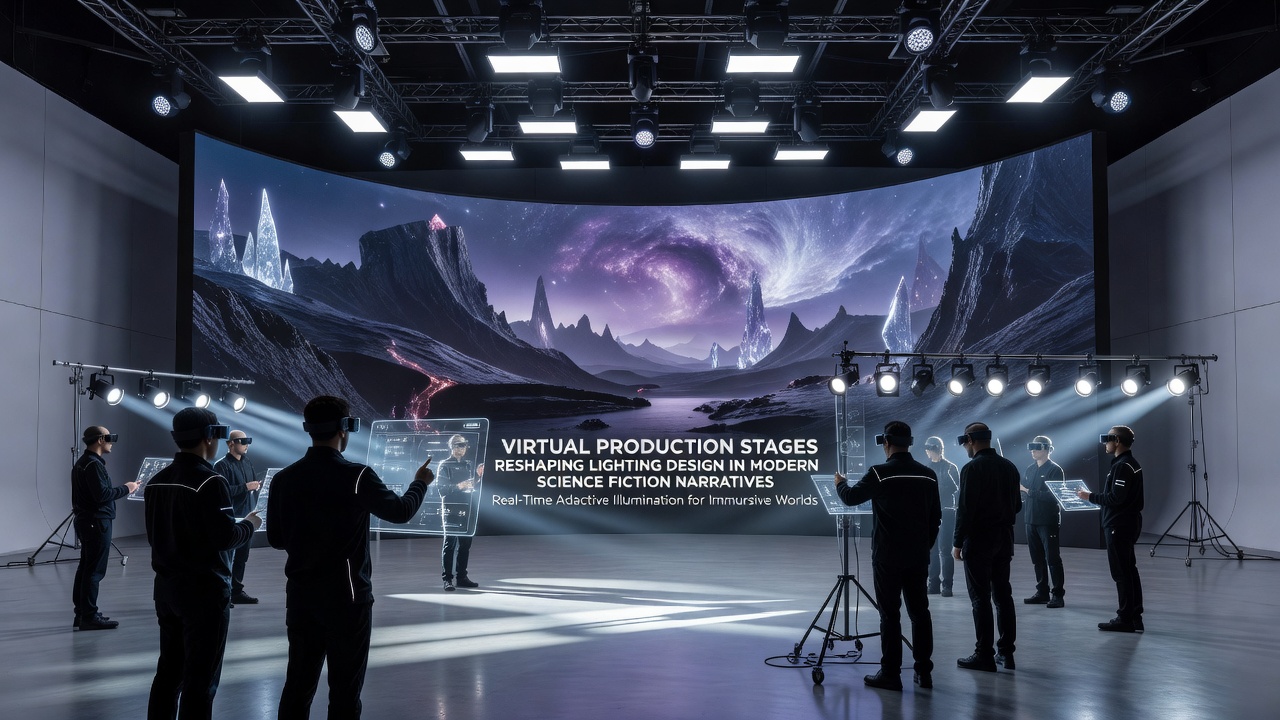
June 2026 marks several ongoing series that integrate these methods for extended space sequences, where variable starlight simulations require precise control over both wall brightness and overhead rigs. Industry organizations report that color accuracy standards have tightened because LED walls provide measurable output that post teams can reference directly. What's interesting is how this reduces the number of separate lighting passes needed, allowing crews to capture more footage per day while preserving narrative mood across multiple episodes.
Examples from Recent Productions
One series that premiered in 2025 used virtual stages to simulate planetary atmospheres where lighting changed based on time-of-day algorithms baked into the engine. Crews adjusted physical key lights in real time to complement shifting wall colors, and this approach delivered consistent results across different shooting days. Figures from production databases reveal fewer reshoots tied to lighting errors compared to similar projects filmed without LED volumes.
Another project adapted novel-based science fiction material by mapping character-specific lighting profiles onto the virtual environment, so each actor's scenes carried distinct mood through automated adjustments. According to SMPTE technical reports, these profiles integrate with camera tracking data to maintain exposure levels automatically. Observers note that such techniques support longer takes without breaks for relighting, and this benefits action-heavy sequences common in the genre.
Training and Collaboration Adjustments
Universities and film schools have updated curricula to include virtual production modules focused on lighting, and graduates now enter sets with experience using integrated control software. Data from training programs indicates participants learn to balance digital and physical sources through hands-on simulations rather than theoretical study alone. Teams on active projects often include specialists who bridge traditional gaffing skills with real-time rendering knowledge, and this hybrid expertise proves essential when environments demand rapid environmental shifts.
Research indicates that communication protocols between departments have evolved, with lighting cues now shared through shared interfaces that update both physical and virtual elements simultaneously. Those who've tracked workflow changes report smoother handoffs between pre-production and principal photography, whereas older pipelines created bottlenecks during final color grading. Production schedules reflect these efficiencies, particularly on series that require consistent lighting across dozens of episodes set in varied fictional locations.
Conclusion
Virtual production stages continue to influence lighting design in science fiction through tighter integration of digital and physical tools, and this trend shows measurable impacts on workflow speed and visual consistency. As more projects adopt these methods by mid-2026, data from ongoing productions will further clarify long-term effects on crew roles and creative decision-making. Industry reports and technical standards organizations provide ongoing benchmarks that help teams refine approaches for future narratives.