Wardrobe Archivists Navigate Fabric Archives to Support Visual Storytelling in Global Historical Dramas
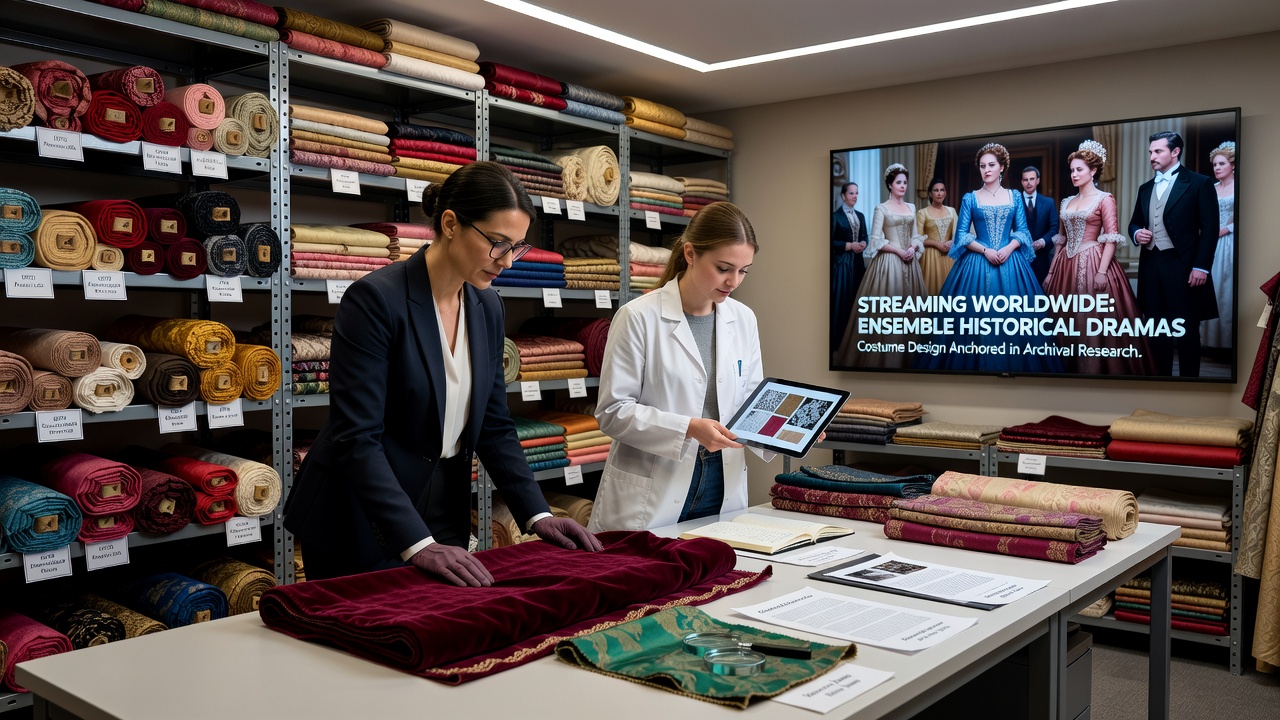
Professionals in wardrobe departments for streaming historical dramas rely on fabric archives to establish accurate visual details across ensemble casts and multi-episode arcs, and these collections supply textile samples, dye records, and period construction notes that guide decisions on silhouette, texture, and color palettes. Archivists sift through preserved garments and swatches from specific eras, cross-referencing them with production timelines that often span several centuries within a single series.
Accessing Specialized Textile Collections
Teams locate materials through institutions that maintain physical and digital records of historic weaves, including linen from the 1700s and silk blends common in the Victorian period, while June 2026 marks the scheduled opening of expanded digital portals at several European heritage sites that will allow remote searches of pattern books previously available only on-site. Researchers consult ledgers that document mill output and import routes, then match those findings to character backstories that require distinctions between working-class homespun and court-level brocades.
One production handling a 19th-century setting requested verification of indigo-dyed cottons used in transatlantic trade garments, and archivists supplied samples showing fading patterns that informed how costumes would appear under studio lighting across multiple seasons. Data from the Library of Congress textile holdings helped confirm regional variations in thread counts that affected drape and movement on screen.
Methods for Matching Fabrics to Narrative Requirements
Archivists begin with keyword searches in catalog databases that list fiber content alongside provenance details, then move to physical handling sessions where they measure weight, stretch, and light reflectance of surviving pieces. These measurements translate into supplier specifications for modern reproductions that maintain period-appropriate behavior during extended shoots involving large casts. When a drama depicts overlapping timelines, the same archive visit may yield both Regency muslins and Edwardian velvets, allowing continuity supervisors to track fabric evolution without visual anachronisms.
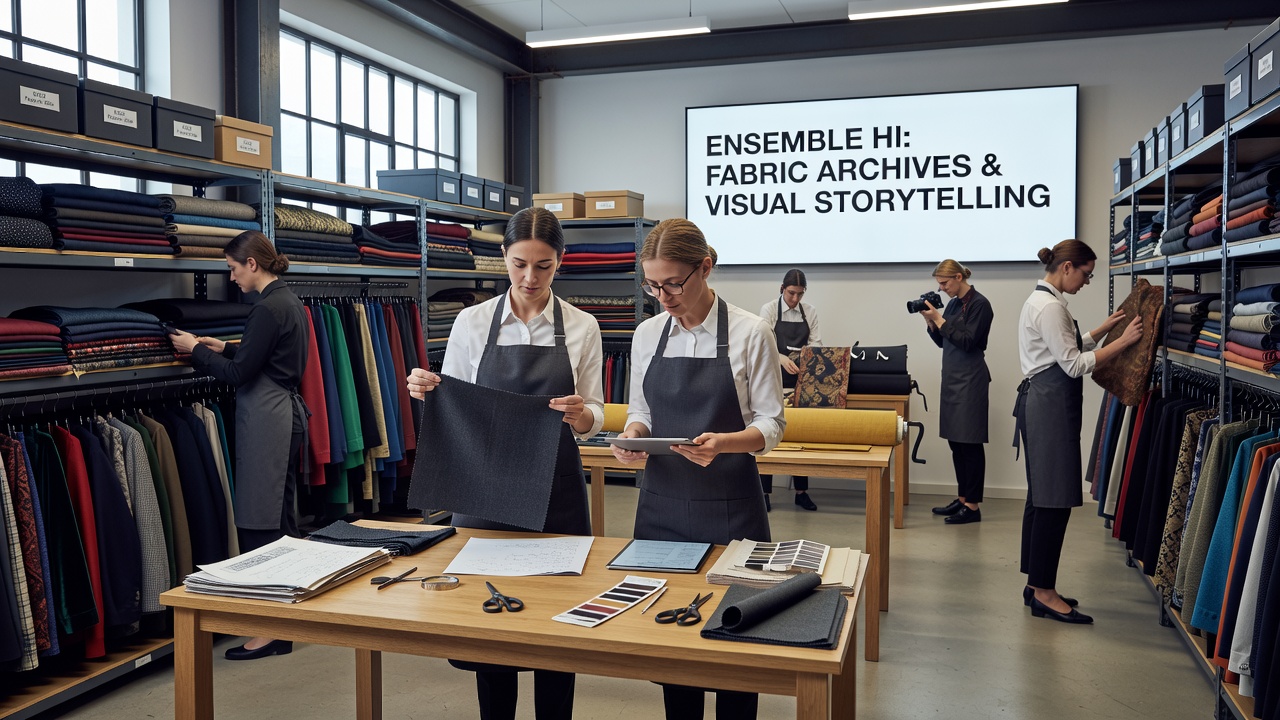
Collaboration with dye chemists occurs once base fabrics are selected, and reference cards from collections guide the recreation of vegetable-based colors that shift under different film stocks. Observers note that productions streamed to international audiences often adjust saturation levels after test screenings, yet the underlying archive data remains constant so that regional broadcast standards do not alter historical intent. Teams log every reference image and measurement in shared project databases that travel with the production across locations.
Coordination Across Global Production Pipelines
Streaming services coordinate wardrobe research across time zones, and archivists in one country supply digital scans to cutters in another so that bespoke garments can be assembled before principal photography begins. Reports from the Europeana digital heritage platform indicate increased requests for high-resolution textile scans in the past three years, coinciding with longer episode orders for historical series. This workflow reduces last-minute substitutions that might otherwise compromise visual consistency across ensemble scenes.
When a project covers multiple continents within its storyline, archivists compare trade textiles from separate collections to ensure that imported fabrics appear correctly alongside local weaves, and they document these comparisons in reports that directors reference during blocking rehearsals. The process incorporates weather and lighting data from planned shoot sites so that fabric choices remain practical under actual filming conditions.
Documentation Practices That Preserve Research Findings
After selections are finalized, archivists compile annotated portfolios that include original swatches, supplier invoices, and notes on construction techniques, and these portfolios travel with the production for reference during reshoots or spin-off development. Storage conditions in the archives themselves follow controlled humidity standards that prevent degradation of cellulose and protein fibers, thereby extending the usability of the same materials for future productions. Training programs at several universities now include modules on archival textile handling specifically tailored to film and television workflows.
Conclusion
Fabric archive research supplies the factual backbone for costume decisions in ensemble historical dramas distributed worldwide, and the integration of physical samples with digital records supports consistent visual storytelling across extended seasons and international crews. Continued expansion of accessible collections in 2026 and beyond will further streamline these processes while maintaining the accuracy required by productions that reach diverse audiences.